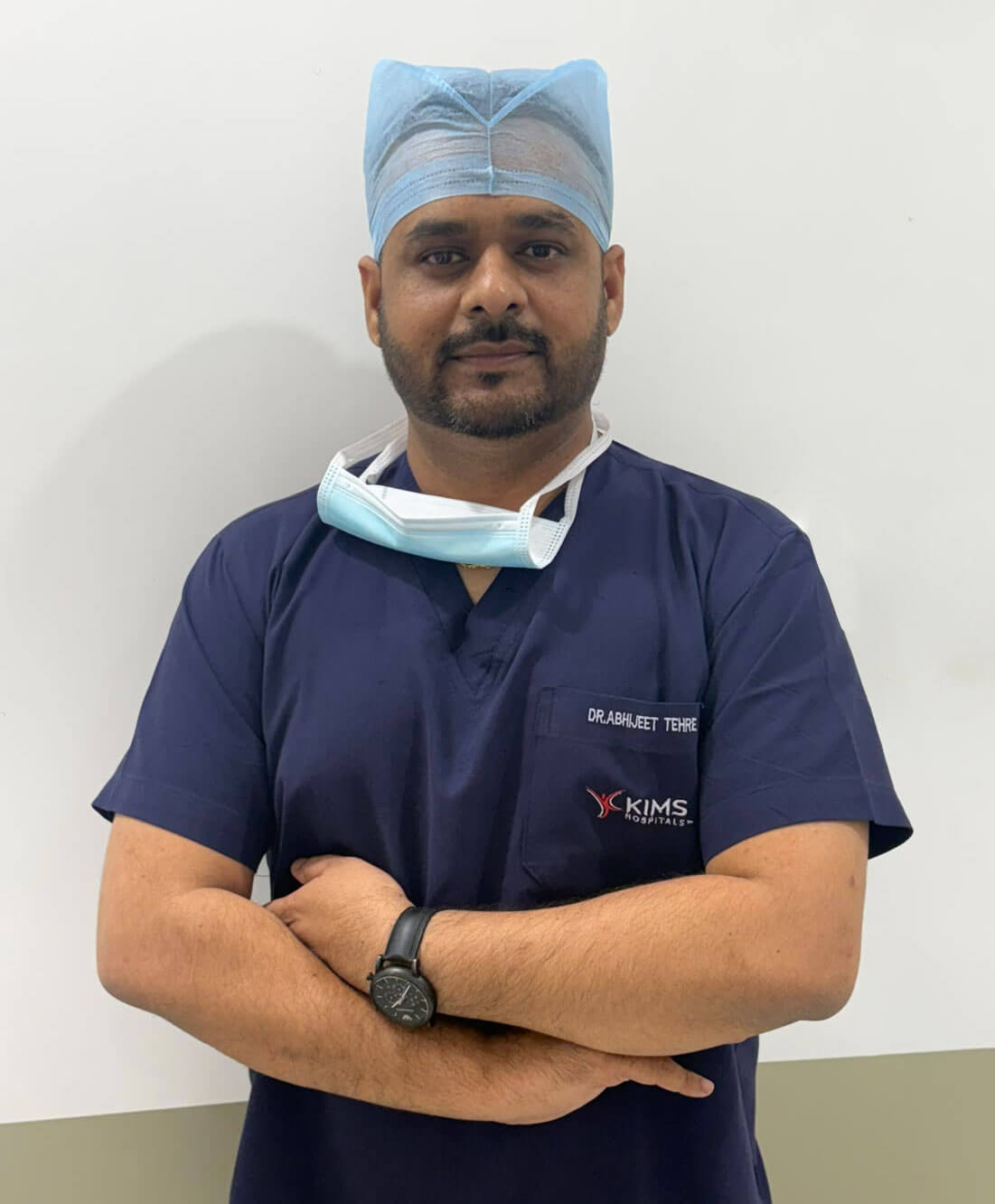
Colorectal cancer is a type of cancer that develops in the colon or rectum and is one of the common cancers affecting the digestive system. Early diagnosis, accurate staging, and appropriate treatment can play an important role in managing colorectal cancer.Gastrointestinal colorectal Cancer surgeon Treatment in Thane
Dr. Abhijeet Tehre is a Surgical Oncologist and Gastrointestinal Colorectal Cancer Surgeon in Thane with expertise in advanced cancer surgery, including laparoscopic and robotic cancer surgery. He provides individualized treatment planning based on the location and stage of the cancer, overall health, and treatment requirements of each patient. Learn About Dr. Abhijeet Tehre
What Is Colorectal Cancer?
Colorectal cancer develops when abnormal cells in the colon or rectum begin to grow uncontrollably. Many colorectal cancers develop from precancerous polyps that can gradually change into cancer.
The colon and rectum form part of the large intestine and play an important role in absorbing water and storing and eliminating waste. Changes in bowel habits, rectal bleeding, abdominal discomfort, or unexplained weight loss should be medically evaluated, particularly when symptoms persist.
Symptoms of Colorectal Cancer
Colorectal cancer may not cause noticeable symptoms during its early stages. Possible symptoms can include:
- Blood in the stool or rectal bleeding
- Persistent constipation or diarrhea
- Changes in bowel habits
- Narrow or unusually thin stools
- A feeling that the bowel does not completely empty
- Persistent abdominal pain or discomfort
- Bloating or excessive gas
- Unexplained weight loss
- Fatigue or weakness
- Loss of appetite
Risk Factors for Colorectal Cancer
- Increasing age
- Family history of colorectal cancer or polyps
- Previous colorectal polyps
- Inflammatory bowel diseases such as Crohn's disease or ulcerative colitis
- Certain inherited genetic conditions
- A diet high in processed or red meat
- Obesity and physical inactivity
- Smoking
- Excessive alcohol consumption
- Type 2 diabetes
Stages of Colorectal Cancer
Colorectal cancer is generally classified into different stages according to how deeply the tumor has grown and whether it has spread to lymph nodes or distant organs.
Stage I - The cancer is limited to the inner layers of the colon or rectum and has not spread to distant areas.
Stage II - The tumor has grown deeper through the bowel wall but has not spread to nearby lymph nodes.
Stage III - The cancer has spread to nearby lymph nodes or surrounding tissues.
Stage IV - The cancer has spread to distant organs, which may include the liver or lungs.
Gastrointestinal Colorectal Cancer Treatment in Thane
Treatment for colorectal cancer is individualized according to the location of the tumor, cancer stage, tumor characteristics, overall health, and previous treatments.
Treatment may include surgery, chemotherapy, radiation therapy, targeted therapy, immunotherapy, or a combination of these approaches.
Colorectal Cancer Surgery
Surgery is an important treatment for many patients with localized colorectal cancer. The procedure involves removing the cancerous portion of the colon or rectum along with appropriate surrounding tissue and lymph nodes.
The type of operation depends on the location and extent of the tumor.
A Gastrointestinal Colorectal Cancer Surgeon in Thane evaluates the patient's diagnostic reports and determines the most appropriate surgical approach.
Laparoscopic Colorectal Cancer Surgery
Laparoscopic surgery is a minimally invasive technique performed through small incisions using specialized instruments and a camera.
For appropriately selected patients, laparoscopic colorectal surgery may offer smaller incisions, reduced postoperative discomfort, and potentially faster recovery compared with traditional open surgery.
Robotic Colorectal Cancer Surgery
Robotic surgery is an advanced minimally invasive approach in which the surgeon controls specialized robotic instruments from a console. The technology provides enhanced visualization and precise instrument movement. Robotic colorectal surgery may be considered for selected patients depending on tumor location, stage, anatomy, and the complexity of the procedure. The robotic system does not perform the operation independently; the surgeon controls every movement.
Chemotherapy for Colorectal Cancer
Chemotherapy uses medicines to destroy or control cancer cells. It may be recommended before or after surgery or for advanced colorectal cancer, depending on the individual diagnosis. The choice of chemotherapy depends on factors such as cancer stage, tumor characteristics, previous treatment, and overall health.
Radiation Therapy
Radiation therapy is more commonly used in the management of rectal cancer than colon cancer. It may be recommended before or after surgery in selected patients to reduce the risk of recurrence or help control the tumor. The need for radiation is determined by the cancer stage, location, and multidisciplinary treatment plan.
Targeted Therapy and Immunotherapy
Some advanced colorectal cancers may respond to targeted medicines or immunotherapy. These treatments are generally selected based on specific characteristics of the tumor, including molecular and genetic testing when appropriate. Not every patient requires these treatments, and the oncology team determines whether they are suitable.
HIPEC for Selected Advanced Colorectal Cancer
HIPEC stands for Hyperthermic Intraperitoneal Chemotherapy. It involves delivering heated chemotherapy directly into the abdominal cavity during selected cancer surgeries. HIPEC may be considered for carefully selected patients with colorectal cancer involving the peritoneal cavity. The suitability of this treatment depends on factors such as the extent of disease, overall health, and whether complete or near-complete removal of visible disease is achievable.
When Should You Consult a Colorectal Cancer Surgeon?
- A surgical oncology consultation may be appropriate
- Colon or rectal cancer has been diagnosed.
- A biopsy confirms colorectal cancer.
- Colonoscopy or imaging detects a suspicious tumor.
- Surgery has been recommended as part of treatment.
- You want to understand laparoscopic or robotic surgical options.
- Colorectal cancer has returned after previous treatment.
- Advanced colorectal cancer requires surgical assessment.
- You would like a second opinion about a proposed operation.
Why Choose Dr. Abhijeet Tehre for Colorectal Cancer Surgery?
Dr. Abhijeet Tehre is an experienced Surgical Oncologist specializing in advanced colorectal cancer surgery. He considers the cancer type, location, stage, diagnostic findings, and overall health when planning treatment.
Depending on the clinical situation, surgery may be performed using an open, laparoscopic, or robotic approach. Specialized treatments such as HIPEC or PIPAC may also be evaluated for selected patients with advanced abdominal cancers. For consultation, call +91 89761 64322.
Conclusion
Colorectal cancer varies according to its location, stage, biological characteristics, and the patient's overall health. Management may involve surgery along with chemotherapy, radiation therapy, targeted therapy, immunotherapy, or specialized treatments in selected cases.
If you are looking for a Gastrointestinal Colorectal Cancer Surgeon in Thane, Dr. Abhijeet Tehre provides surgical oncology evaluation and individualized treatment planning for colorectal cancer. For consultation, call +91 89761 64322.
Frequently Asked Questions
Q.1. What conditions does a Gastrointestinal Colorectal Cancer Surgeon in Thane manage?
Ans – A gastrointestinal colorectal cancer surgeon evaluates and surgically manages cancers involving the colon and rectum. Depending on the diagnosis, treatment may also require coordination with medical oncologists, radiation oncologists, radiologists, pathologists, and other specialists.
Q.2. What warning signs can occur with colorectal cancer?
Ans – Possible warning signs include blood in the stool, rectal bleeding, persistent changes in bowel habits, abdominal discomfort, unexplained weight loss, weakness, and changes in stool appearance. Persistent symptoms should be medically assessed.
Q.3. Which tests are used to diagnose colorectal cancer?
Ans – Evaluation may involve colonoscopy, biopsy, blood investigations, CT scans, MRI, and other tests depending on the location and suspected extent of the disease. A biopsy is generally required to confirm the diagnosis.
Q.4. Does every colorectal cancer patient need an operation?
Ans – No. Treatment depends on the location and stage of the cancer and other individual factors. Surgery is important for many colorectal cancers, while some patients may require chemotherapy, radiation therapy, targeted treatment, immunotherapy, or combinations of these treatments.
Q.5. Can colorectal cancer surgery be performed using minimally invasive techniques?
Ans – Yes. Laparoscopic or robotic surgery may be possible for appropriately selected patients. Open surgery may be more suitable in other situations. The surgical approach is selected after reviewing the tumor, anatomy, previous treatment, and overall health.
Q.6. How does robotic colorectal surgery work?
Ans – During robotic-assisted surgery, the surgeon operates specialized instruments through a console. The technology provides enhanced visualization and controlled instrument movement. The surgeon remains in control throughout the operation.
Q.7. When may HIPEC be considered for colorectal cancer?
Ans – HIPEC may be evaluated for carefully selected patients when colorectal cancer has spread to the peritoneal surface within the abdominal cavity. Patient selection depends on the extent of disease, general health, and feasibility of surgical removal.
Q.8. What is PIPAC?
Ans – PIPAC means Pressurized Intraperitoneal Aerosol Chemotherapy. It is a specialized method of delivering chemotherapy into the abdominal cavity and may be considered for selected patients with peritoneal disease after appropriate specialist assessment.
Q.9. Can patients from nearby areas of Thane consult Dr. Abhijeet Tehre?
Ans – Yes. Patients from Thane West, Hiranandani Estate, Patlipada, Manpada, Ghodbunder Road, Waghbil, Kasarvadavali, Balkum, Majiwada, and surrounding areas can consult Dr. Abhijeet Tehre for colorectal cancer evaluation and surgical treatment planning.
Q.10. How can I book a consultation with Dr. Abhijeet Tehre?
Ans – Patients seeking colorectal cancer evaluation or a surgical oncology opinion can contact Dr. Abhijeet Tehre at +91 89761 64322 to arrange a consultation and discuss their reports, diagnosis, and available treatment options.