Palliative surgery is performed to relieve symptoms and improve quality of life in patients with advanced cancer, rather than to cure the disease. It focuses on addressing complications such as obstruction, bleeding, or pain caused by tumor growth, allowing patients to be more comfortable and better able to tolerate other treatments. Each procedure is carefully chosen to balance symptom relief with the patient's overall condition and goals of care.
Understanding Palliative Surgery
Palliative surgery is considered when advanced cancer causes complications that significantly affect daily function or comfort, and surgical intervention can offer meaningful relief even when a cure is not possible.
- Considered for complications such as bowel or bile duct obstruction, persistent bleeding, or severe pain from tumor growth
- Common indications include difficulty eating or passing stool, jaundice, non-healing wounds, and fluid build-up in the abdomen or chest
- Decisions are guided by imaging, the patient's overall condition, and open discussion of goals and expectations with the patient and family
Procedure & Approach
Palliative procedures are selected based on the specific complication being addressed and the patient's fitness for surgery, with the least invasive effective option preferred wherever possible.
- Thorough evaluation of the patient's overall health, prognosis, and treatment goals before proceeding
- Procedures may include bypass surgery, stoma creation, stent placement, or drainage procedures to relieve obstruction
- Management of bleeding or fluid accumulation through targeted surgical or minimally invasive techniques
- Minimally invasive approaches used whenever suitable to reduce recovery time and preserve strength
- Close coordination with the palliative care, oncology, and pain management teams to support overall comfort
Benefits & Recovery
The goal of palliative surgery is to improve day-to-day comfort and function, and recovery plans are designed around what matters most to each patient.
- Meaningful relief from symptoms such as obstruction, pain, or difficulty eating
- Improved ability to tolerate ongoing chemotherapy or other cancer treatments
- Recovery plans focused on comfort, mobility, and quality of life rather than extensive rehabilitation
- Close follow-up to manage symptoms and adjust care as the disease progresses
- Coordinated support with palliative care specialists for pain management and overall well-being
Expert Consultation
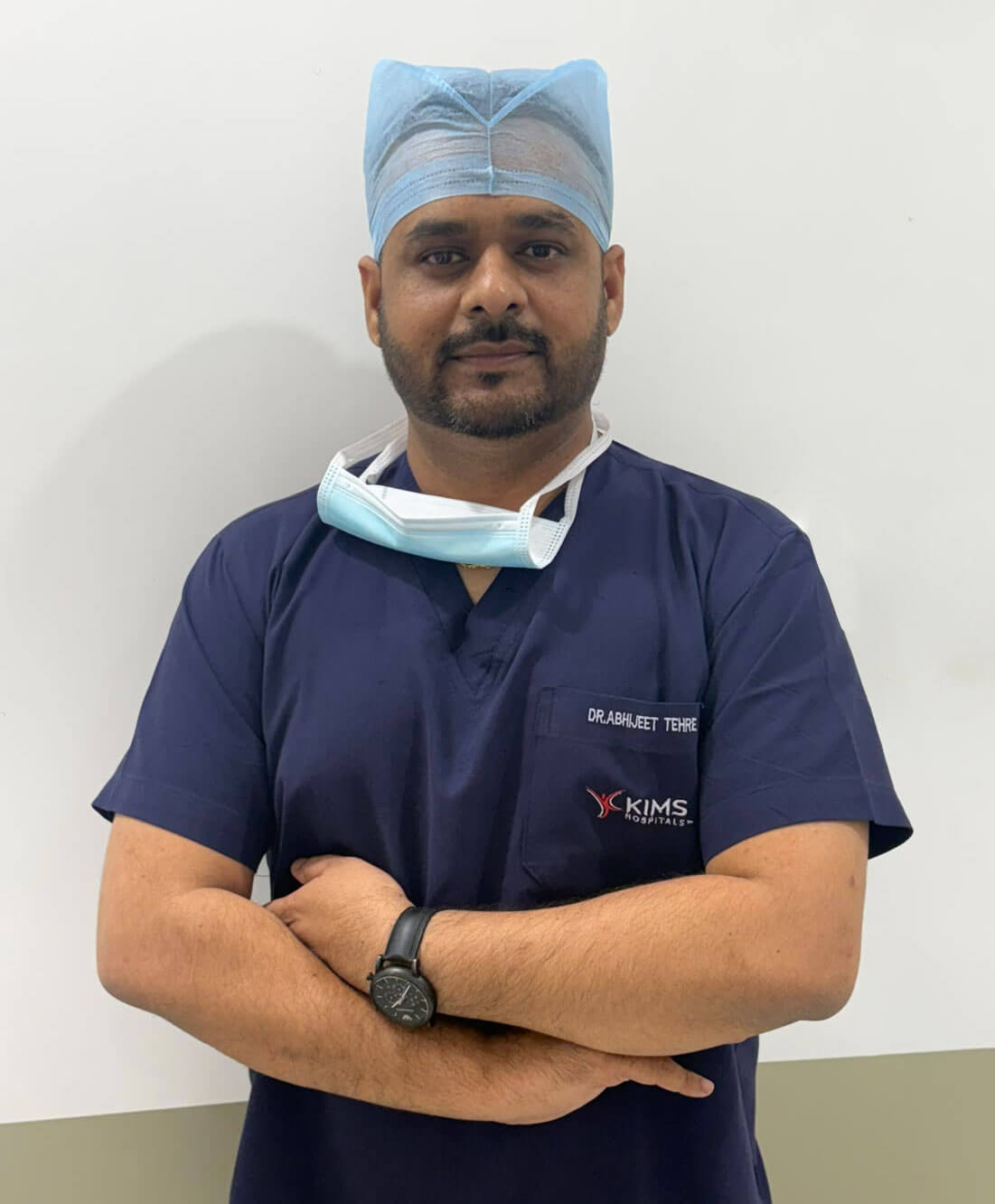
If you or a loved one is dealing with complications of advanced cancer and considering Palliative Surgery, consult Dr. Abhijeet Tehre for compassionate evaluation and personalized care. With extensive experience in oncologic surgery, he works closely with patients and families to determine the most appropriate options for symptom relief and comfort. Book an appointment today to discuss the situation and explore the best approach for improving quality of life.