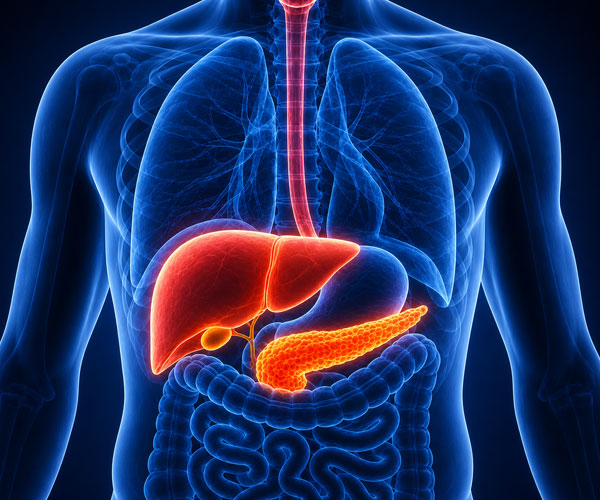
Pancreatic cancer surgery involves the removal of cancerous tumors from the pancreas, often along with surrounding tissue and lymph nodes, to control disease and improve survival. Given the pancreas's close relationship with major blood vessels and neighboring organs, these procedures require specialized surgical expertise and careful pre-operative planning. Surgery is frequently combined with chemotherapy to achieve the best long-term outcomes.
Understanding Pancreatic Cancer
Pancreatic cancer often develops silently and is diagnosed at a later stage, making early recognition of symptoms and prompt evaluation essential for effective treatment.
- Develops in the cells of the pancreas, most commonly affecting the head, body, or tail of the organ
- Common symptoms include abdominal or back pain, unexplained weight loss, jaundice, and new-onset diabetes
- Diagnosis typically involves CT or MRI imaging, endoscopic ultrasound, biopsy, and tumor marker blood tests to determine staging
Procedure & Approach
Surgical treatment for pancreatic cancer is determined by tumor location and stage, with procedures ranging from partial pancreas removal to more extensive resections involving nearby organs.
- Detailed pre-operative imaging and staging to assess tumor resectability and involvement of nearby blood vessels
- Procedures such as the Whipple procedure (pancreaticoduodenectomy), distal pancreatectomy, or total pancreatectomy depending on tumor location
- Removal of the tumor along with regional lymph nodes to reduce the risk of recurrence
- Minimally invasive laparoscopic or robotic-assisted techniques used in select cases to support faster recovery
- Close coordination with medical and radiation oncologists for a well-integrated, multidisciplinary treatment plan
Benefits & Recovery
With careful surgical planning and structured post-operative support, patients can achieve meaningful tumor control while working toward a steady return to daily function.
- Improved chance of long-term survival when the tumor is completely removed at an early stage
- Reduced complications and shorter hospital stay with minimally invasive approaches where suitable
- Personalized recovery plan to support digestion, blood sugar management, and overall strength
- Regular follow-up imaging and blood tests to monitor for signs of recurrence
- Nutritional counseling and enzyme support to help patients adjust after pancreatic surgery
Expert Consultation
If you are experiencing symptoms of Pancreatic Cancer or have been advised to undergo surgical treatment, consult Dr. Abhijeet Tehre for expert evaluation and personalized care. With extensive experience in pancreatic, hepatobiliary, and gastrointestinal surgery, he offers advanced, minimally invasive treatment options tailored to each patient's condition. Book an appointment today to discuss your diagnosis, explore the best treatment approach, and take the first step toward a healthy recovery.