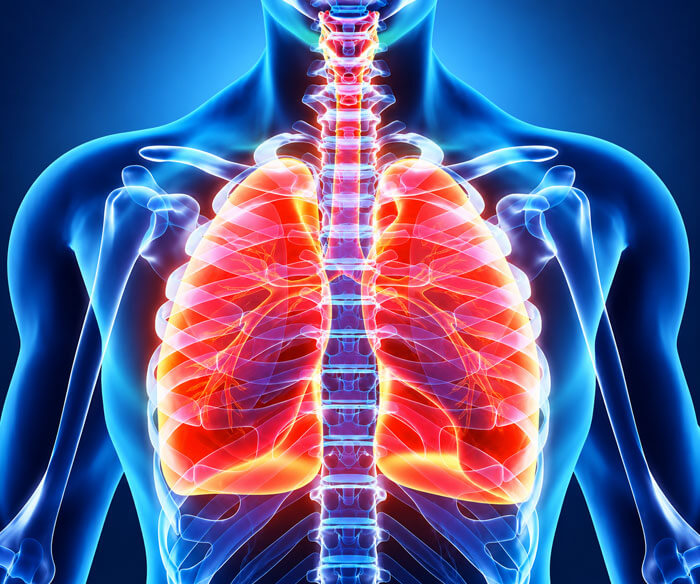
Thoracic cancer surgery involves the removal of cancerous tumors affecting the lungs, esophagus, mediastinum, or chest wall, aiming to achieve complete tumor clearance while preserving respiratory and swallowing function. It plays a key role in curative treatment for early and locally advanced disease, and is often combined with chemotherapy or radiation for optimal outcomes. Advanced surgical techniques help minimize trauma to the chest and support faster recovery.
Understanding Thoracic Cancer
Thoracic cancers can affect the lungs, esophagus, and structures within the chest cavity, and early detection through timely evaluation of symptoms plays an important role in successful treatment.
- May arise in the lungs, esophagus, mediastinum, chest wall, or pleura (lining of the lungs)
- Common symptoms include persistent cough, chest pain, difficulty swallowing, unexplained weight loss, and shortness of breath
- Diagnosis typically involves imaging studies such as CT or PET scans, bronchoscopy or endoscopy, and biopsy to confirm and stage the disease
Procedure & Approach
Thoracic cancer surgery is planned according to the organ involved, tumor size, and stage, with minimally invasive video-assisted and robotic-assisted techniques used whenever suitable to reduce trauma and speed recovery.
- Performed under general anesthesia following detailed pre-operative imaging, staging, and lung function assessment
- Complete removal of the tumor along with a margin of healthy tissue and regional lymph nodes to lower recurrence risk
- Video-Assisted Thoracoscopic Surgery (VATS) or robotic-assisted approaches preferred where possible to reduce pain and hospital stay
- Reconstruction of the esophagus or chest wall performed as needed to restore normal function after tumor removal
- Close coordination with pulmonologists, medical oncologists, and radiation oncologists for an integrated treatment plan
Benefits & Recovery
Surgical management offers effective tumor control and improved survival outcomes, particularly when supported by a structured recovery program focused on restoring lung function.
- Strong success rate in removing localized tumors and reducing the risk of recurrence
- Reduced hospital stay, pain, and post-operative complications with minimally invasive techniques
- Personalized recovery plan including breathing exercises and physiotherapy to restore lung function
- Ongoing follow-up imaging and monitoring to catch any signs of recurrence early
- Nutritional and swallowing support for patients undergoing esophageal surgery
Expert Consultation
If you are experiencing symptoms of Thoracic Cancer or have been advised to undergo surgical treatment, consult Dr. Abhijeet Tehre for expert evaluation and personalized care. With extensive experience in thoracic and oncologic surgery, he offers advanced, minimally invasive treatment options tailored to each patient's condition. Book an appointment today to discuss your diagnosis, explore the best treatment approach, and take the first step toward a healthy recovery.