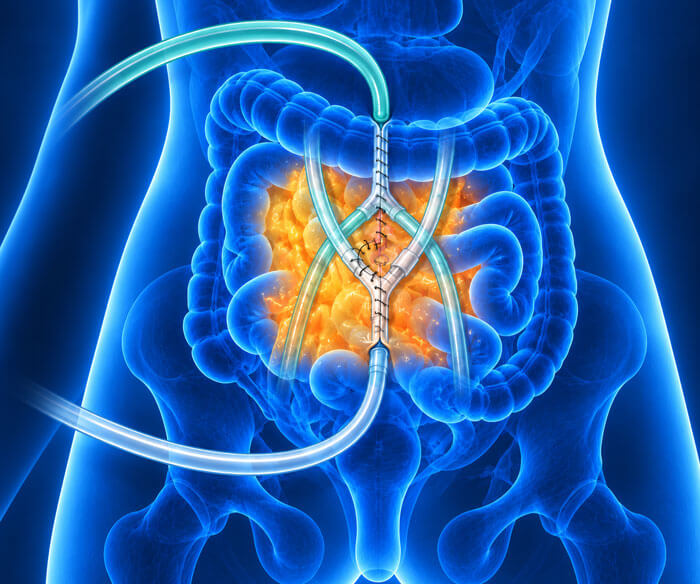
Peritoneal surface malignancy management addresses cancers that have spread to the lining of the abdominal cavity, often originating from the ovaries, colon, appendix, or stomach. Treatment combines surgical removal of visible tumor deposits with specialized chemotherapy delivered directly into the abdominal cavity, using techniques such as HIPEC and PIPAC. This targeted approach allows higher concentrations of chemotherapy to reach the affected areas while limiting exposure to the rest of the body.
Understanding Peritoneal Surface Malignancy
Peritoneal surface malignancy occurs when cancer cells spread to and grow along the lining of the abdominal cavity, and specialized evaluation is needed to determine the extent of involvement and suitability for treatment.
- May result from the spread of ovarian, colorectal, appendiceal, gastric, or primary peritoneal cancers
- Common symptoms include abdominal bloating, discomfort, changes in bowel habits, and a feeling of fullness
- Diagnosis typically involves CT or MRI imaging, diagnostic laparoscopy, and biopsy to assess the extent of peritoneal disease
Procedure & Approach
Treatment is planned based on the extent of peritoneal disease and the patient's overall fitness, combining surgical tumor removal with heated or pressurized chemotherapy delivered directly into the abdominal cavity.
- Thorough pre-operative imaging and diagnostic laparoscopy to assess the extent of peritoneal involvement
- Cytoreductive surgery (CRS) to remove all visible tumor deposits from the abdominal cavity
- HIPEC (Hyperthermic Intraperitoneal Chemotherapy) delivered immediately after surgery to target microscopic residual disease
- PIPAC (Pressurized Intraperitoneal Aerosol Chemotherapy) offered as a minimally invasive option for select patients with extensive or recurrent peritoneal disease
- Close coordination with medical oncologists to plan systemic chemotherapy alongside surgical and intraperitoneal treatment
Benefits & Recovery
This combined surgical and intraperitoneal chemotherapy approach offers meaningful disease control for select patients, supported by careful post-operative monitoring and rehabilitation.
- Targeted delivery of chemotherapy to the abdominal cavity with reduced systemic side effects compared to standard chemotherapy alone
- Improved disease control and survival outcomes in appropriately selected patients
- Structured post-operative monitoring in a specialized care setting to manage recovery after CRS-HIPEC
- PIPAC allows repeated treatment cycles with shorter recovery time between sessions
- Ongoing follow-up imaging and clinical assessment to track treatment response and detect recurrence
Expert Consultation
If you have been diagnosed with a Peritoneal Surface Malignancy or advised to consider HIPEC or PIPAC treatment, consult Dr. Abhijeet Tehre for expert evaluation and personalized care. With extensive experience in oncologic and gastrointestinal surgery, he offers advanced surgical and intraperitoneal chemotherapy options tailored to each patient's condition. Book an appointment today to discuss your diagnosis, explore the best treatment approach, and take the first step toward a healthy recovery.