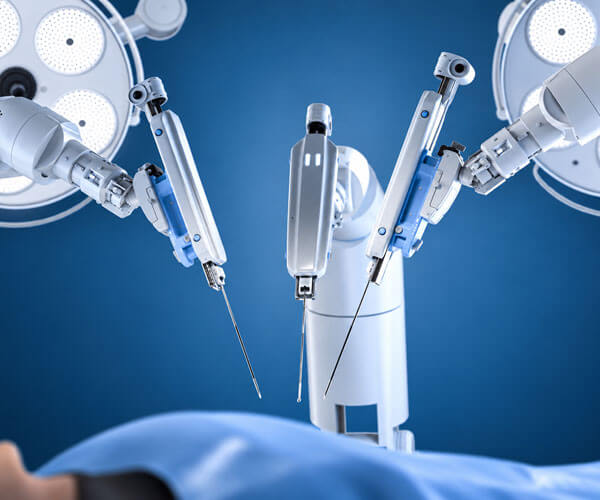
Robotic cancer surgery uses advanced robotic-assisted technology to perform complex cancer operations with greater precision, flexibility, and control through very small incisions. The surgeon operates a robotic system offering a magnified, high-definition 3D view of the surgical area, allowing intricate tumor removal while minimizing damage to surrounding healthy tissue. This approach is used across a range of cancers, including gastrointestinal, hepatobiliary, gynecologic, and thoracic malignancies.
Understanding Robotic Cancer Surgery
Robotic-assisted surgery combines the surgeon's skill and judgment with advanced technology, offering enhanced precision for complex cancer operations that traditionally required larger, more invasive incisions.
- Used to treat cancers of the stomach, esophagus, liver, pancreas, colon, uterus, ovaries, and lungs, among others
- The robotic system provides a magnified 3D view and instruments with a greater range of motion than the human hand
- Suitability is determined through detailed imaging, staging, and assessment of tumor location and the patient's overall health
Procedure & Approach
Robotic cancer surgery is planned based on the organ involved and tumor characteristics, with the surgeon controlling the robotic instruments throughout the entire procedure from a console.
- Comprehensive pre-operative imaging and staging to confirm suitability for a robotic-assisted approach
- Surgery performed through several small incisions using robotic arms controlled by the surgeon at a console
- Complete removal of the tumor along with a margin of healthy tissue and relevant lymph nodes
- Enhanced dexterity and precision support complex reconstructions, such as restoring digestive or urinary tract continuity
- Close coordination with medical and radiation oncologists to design a comprehensive, integrated treatment plan
Benefits & Recovery
The precision and minimally invasive nature of robotic surgery often translates into a smoother recovery and quicker return to daily activities compared to traditional open surgery.
- Smaller incisions resulting in less pain, reduced blood loss, and lower risk of infection
- Shorter hospital stay and faster return to normal activities
- Greater surgical precision supporting better preservation of surrounding organ function
- Personalized recovery plan tailored to the type of cancer and extent of surgery performed
- Regular follow-up visits and imaging to monitor recovery and screen for recurrence
Expert Consultation
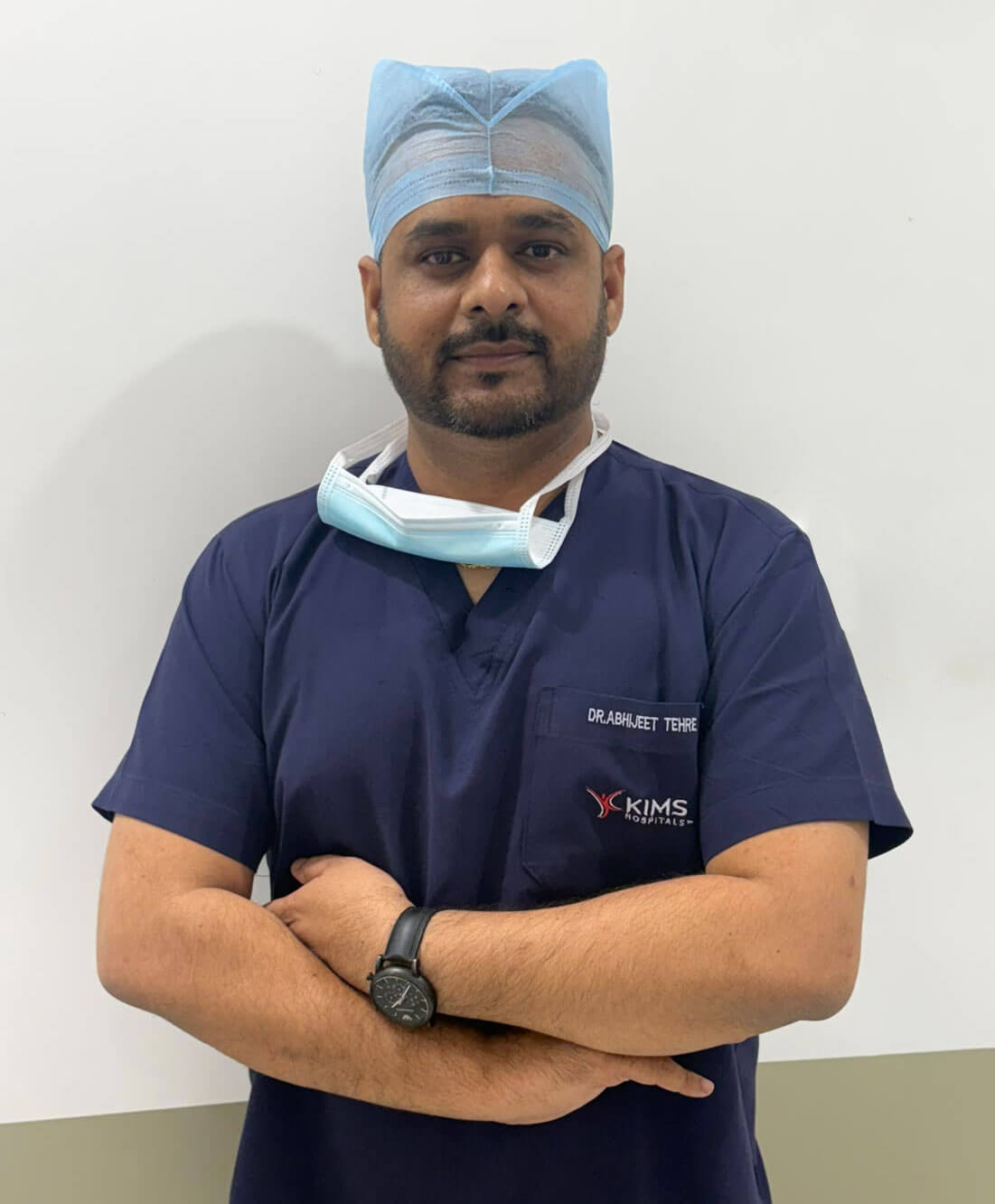
If you have been advised to undergo cancer surgery and want to explore a Robotic-Assisted approach, consult Dr. Abhijeet Tehre for expert evaluation and personalized care. With extensive experience in minimally invasive and robotic oncologic surgery, he offers advanced treatment options tailored to each patient's condition. Book an appointment today to discuss your diagnosis, explore the best treatment approach, and take the first step toward a healthy recovery.