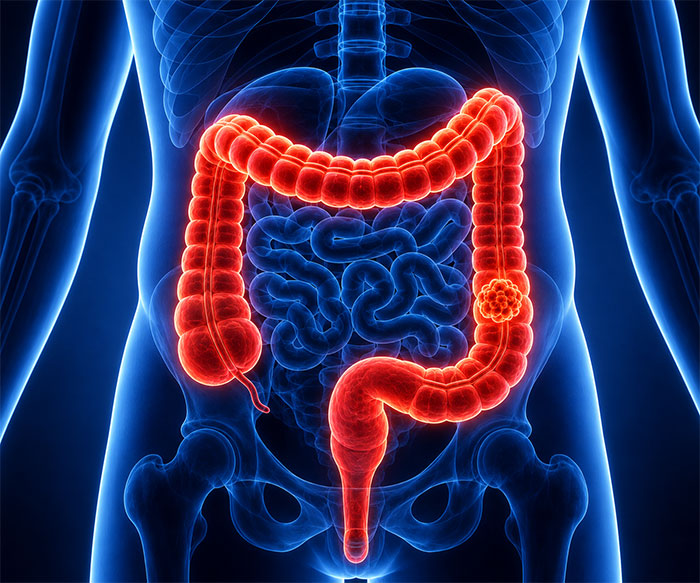
Colorectal cancer surgery removes cancerous growths from the colon or rectum, along with nearby lymph nodes and tissue, to stop the disease from spreading. It remains the most effective treatment, especially in early and locally advanced stages, and may be paired with chemotherapy or radiation depending on severity. The goal is to fully remove the tumor while restoring normal bowel function and giving patients the best chance at recovery. Important-Links
Understanding Colorectal Cancer
Colorectal cancer affects the large intestine and rectum and is one of the most common cancers worldwide, but also one of the most treatable when detected early.
- Often begins as small, benign polyps that can turn cancerous over time
- Common symptoms include changes in bowel habits, blood in stool, abdominal pain, and unexplained weight loss
- Diagnosis typically involves colonoscopy, biopsy, and imaging studies such as CT scans to determine the stage
Procedure & Approach
Colorectal cancer surgery is tailored to the location, size, and stage of the tumor, often performed using advanced laparoscopic or robotic-assisted techniques for greater precision.
- Performed under general anesthesia with detailed pre-operative imaging and staging
- Removal of the tumor along with a margin of healthy tissue and nearby lymph nodes to reduce recurrence risk
- Minimally invasive laparoscopic or robotic techniques used whenever possible for faster healing and smaller incisions
- In select cases, the remaining healthy sections of the colon or rectum are reconnected; a temporary or permanent stoma may occasionally be required
- Multidisciplinary planning with oncologists ensures the right combination of surgery, chemotherapy, or radiation for each patient
Benefits & Recovery
Surgical treatment offers effective tumor removal with improved long-term outcomes, especially when combined with a personalized recovery and follow-up plan.
- High success rate in removing localized tumors and preventing recurrence
- Shorter hospital stay and reduced post-operative pain with minimally invasive approaches
- Structured recovery plan supporting return to normal bowel function and daily activities
- Regular follow-up screenings and monitoring to detect any recurrence early
- Dietary guidance and support to help patients adjust and regain strength after surgery
Expert Consultation
If you are experiencing symptoms of Colorectal Cancer Surgery or have been advised to undergo surgical treatment, consult Dr. Abhijeet Tehre for expert evaluation and personalized care. With extensive experience in colorectal and gastrointestinal surgery, he offers advanced, minimally invasive treatment options tailored to each patient's condition. Book an appointment today to discuss your diagnosis, explore the best treatment approach, and take the first step toward a healthy recovery.