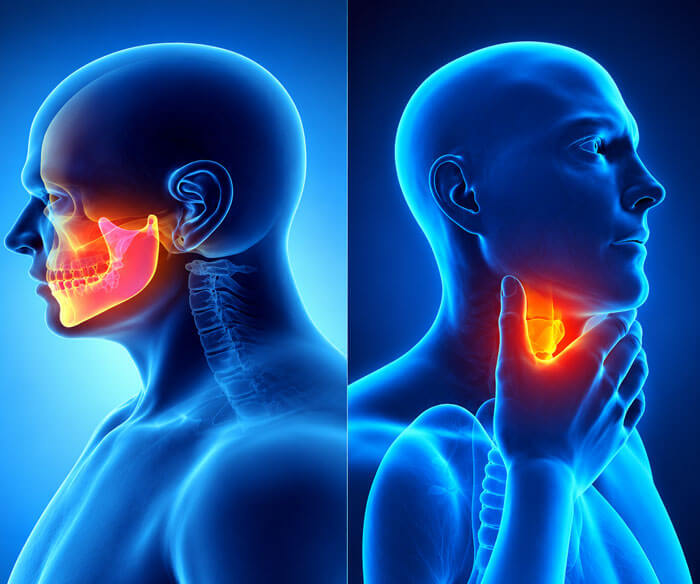
Head and neck cancer surgery involves the removal of tumors affecting areas such as the mouth, throat, voice box, thyroid, salivary glands, and neck lymph nodes. Because this region plays a vital role in speech, swallowing, and appearance, surgery is planned with great precision to remove the cancer completely while preserving function and quality of life as much as possible. Treatment is often combined with radiation or chemotherapy depending on the type and stage of the cancer.
Understanding Head & Neck Cancer
Head and neck cancers can develop in several areas including the oral cavity, throat, larynx, thyroid, and salivary glands, and early diagnosis plays a key role in successful treatment.
- May affect the mouth, tongue, throat, voice box, thyroid gland, salivary glands, or lymph nodes in the neck
- Common symptoms include a persistent lump or sore, difficulty swallowing, voice changes, ear pain, or unexplained neck swelling
- Diagnosis typically involves clinical examination, imaging such as CT or MRI, and biopsy to confirm the type and extent of the disease
Procedure & Approach
Head and neck cancer surgery is carefully planned based on the tumor's location and stage, with a strong focus on preserving essential functions such as speech, swallowing, and appearance.
- Performed under general anesthesia following thorough imaging and staging of the tumor
- Complete removal of the tumor along with a margin of healthy tissue to reduce the risk of recurrence
- Neck dissection performed when needed to remove affected lymph nodes and prevent further spread
- Reconstructive techniques used where necessary to restore form and function after tumor removal
- Multidisciplinary planning with oncologists and speech or swallowing specialists to support overall recovery
Benefits & Recovery
Surgical treatment offers effective tumor control while aiming to preserve important functions, supported by a structured recovery and rehabilitation plan.
- Effective removal of localized tumors, reducing the risk of recurrence and further spread
- Focus on preserving speech, swallowing, and appearance wherever possible
- Structured recovery plan including guidance on diet, voice, and swallowing rehabilitation as needed
- Regular follow-up examinations and imaging to monitor for any signs of recurrence
- Emotional and practical support to help patients adjust during recovery
Expert Consultation
If you are experiencing symptoms of Head & Neck Cancer Surgery or have been advised to undergo surgical treatment, consult Dr. Abhijeet Tehre for expert evaluation and personalized care. With extensive experience in oncological and reconstructive surgery, he offers advanced treatment options tailored to each patient's condition. Book an appointment today to discuss your diagnosis, explore the best treatment approach, and take the first step toward a healthy recovery.