Laparoscopic cancer surgery uses small incisions and a camera-guided approach to remove cancerous tumors from the abdomen and pelvis with greater precision and less trauma than traditional open surgery. A thin telescope with a camera provides a magnified view of internal organs, allowing the surgeon to operate using specialized instruments through a few small ports. This minimally invasive approach is used across a range of cancers, including gastrointestinal, hepatobiliary, and gynecologic malignancies.
Understanding Laparoscopic Cancer Surgery
Laparoscopic surgery offers a minimally invasive alternative to open surgery for many cancer operations, and suitability depends on tumor size, location, and stage of disease.
- Used to treat cancers of the stomach, colon, rectum, liver, gallbladder, pancreas, uterus, and ovaries, among others
- A laparoscope (thin camera) provides a magnified, high-definition view of the surgical area on a monitor
- Suitability is determined through detailed imaging, staging, and assessment of tumor location and the patient's overall health
Procedure & Approach
Laparoscopic cancer surgery is planned according to the organ involved and the extent of disease, with the surgeon operating through a few small incisions rather than a large open cut.
- Comprehensive pre-operative imaging and staging to confirm suitability for a laparoscopic approach
- Surgery performed through several small incisions using a camera and long, specialized instruments
- Complete removal of the tumor along with a margin of healthy tissue and relevant lymph nodes
- Reconstruction of the digestive or reproductive tract performed as needed to restore normal function
- Close coordination with medical and radiation oncologists to design a comprehensive, integrated treatment plan
Benefits & Recovery
The smaller incisions and reduced tissue disruption associated with laparoscopic surgery often support a faster, more comfortable recovery compared to traditional open surgery.
- Smaller incisions resulting in less pain, reduced blood loss, and lower risk of infection
- Shorter hospital stay and faster return to normal activities
- Reduced scarring and quicker healing of the abdominal wall
- Personalized recovery plan tailored to the type of cancer and extent of surgery performed
- Regular follow-up visits and imaging to monitor recovery and screen for recurrence
Expert Consultation
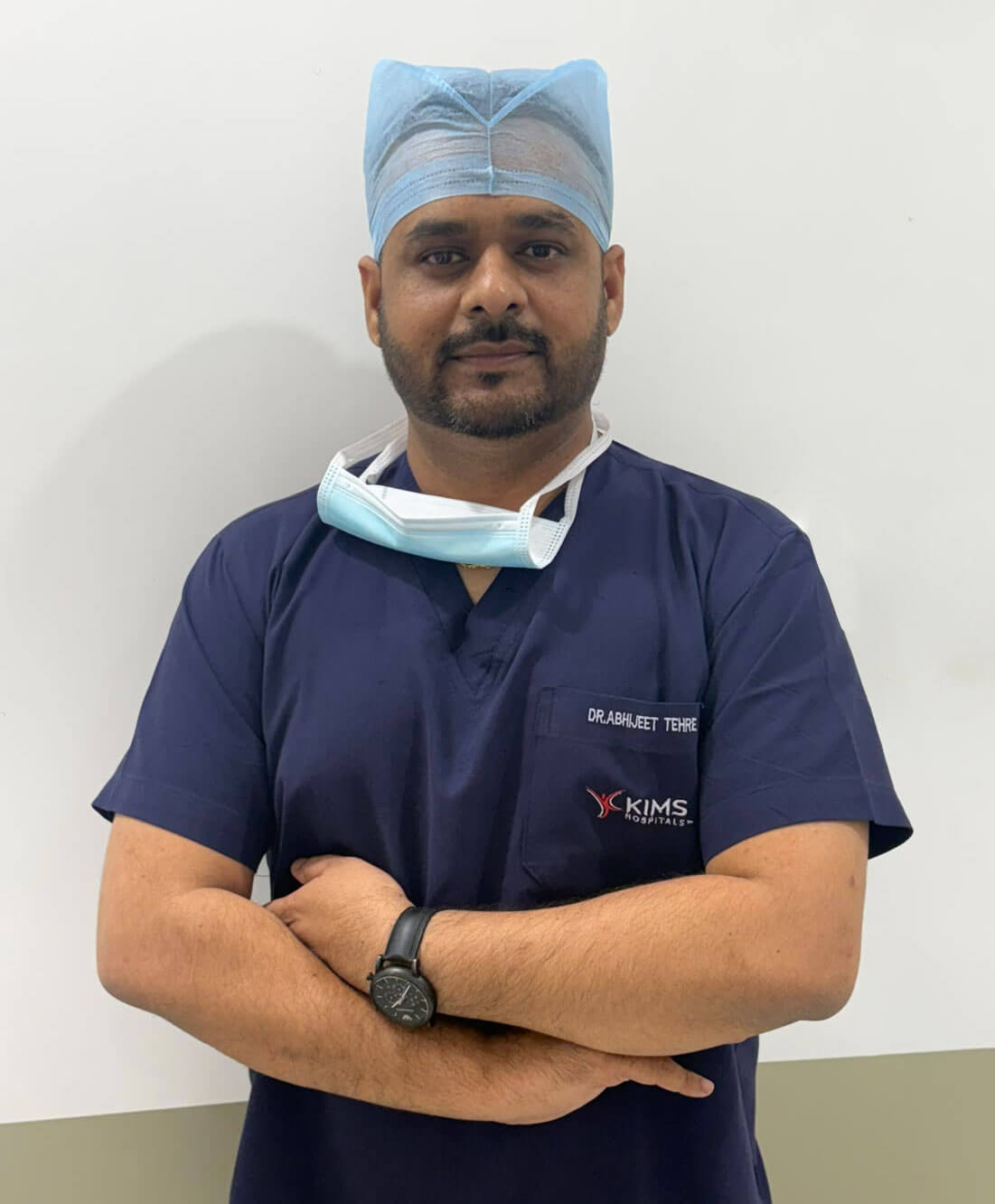
If you have been advised to undergo cancer surgery and want to explore a Laparoscopic approach, consult Dr. Abhijeet Tehre for expert evaluation and personalized care. With extensive experience in minimally invasive and laparoscopic oncologic surgery, he offers advanced treatment options tailored to each patient's condition. Book an appointment today to discuss your diagnosis, explore the best treatment approach, and take the first step toward a healthy recovery.