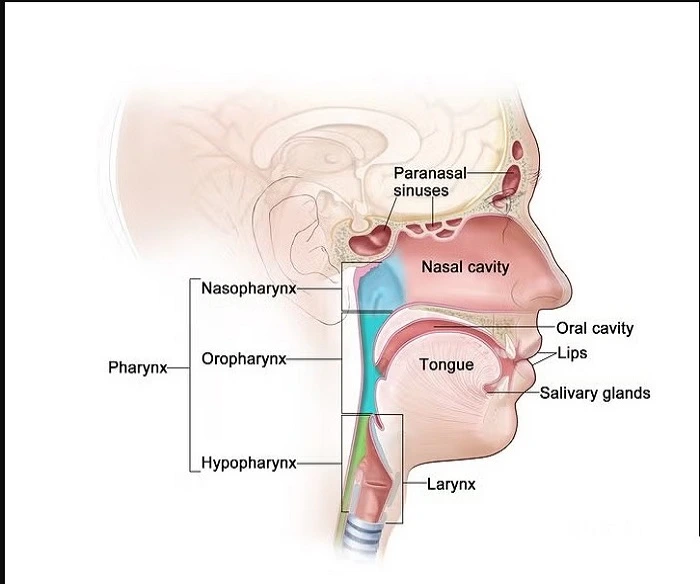
Head and neck cancers are a group of cancers that can develop in areas such as the mouth, tongue, throat, nose, sinuses, salivary glands and voice box. Depending on their location and stage, these cancers may affect eating, swallowing, speaking, breathing or appearance. Head and Neck Cancer Surgeon in Thane
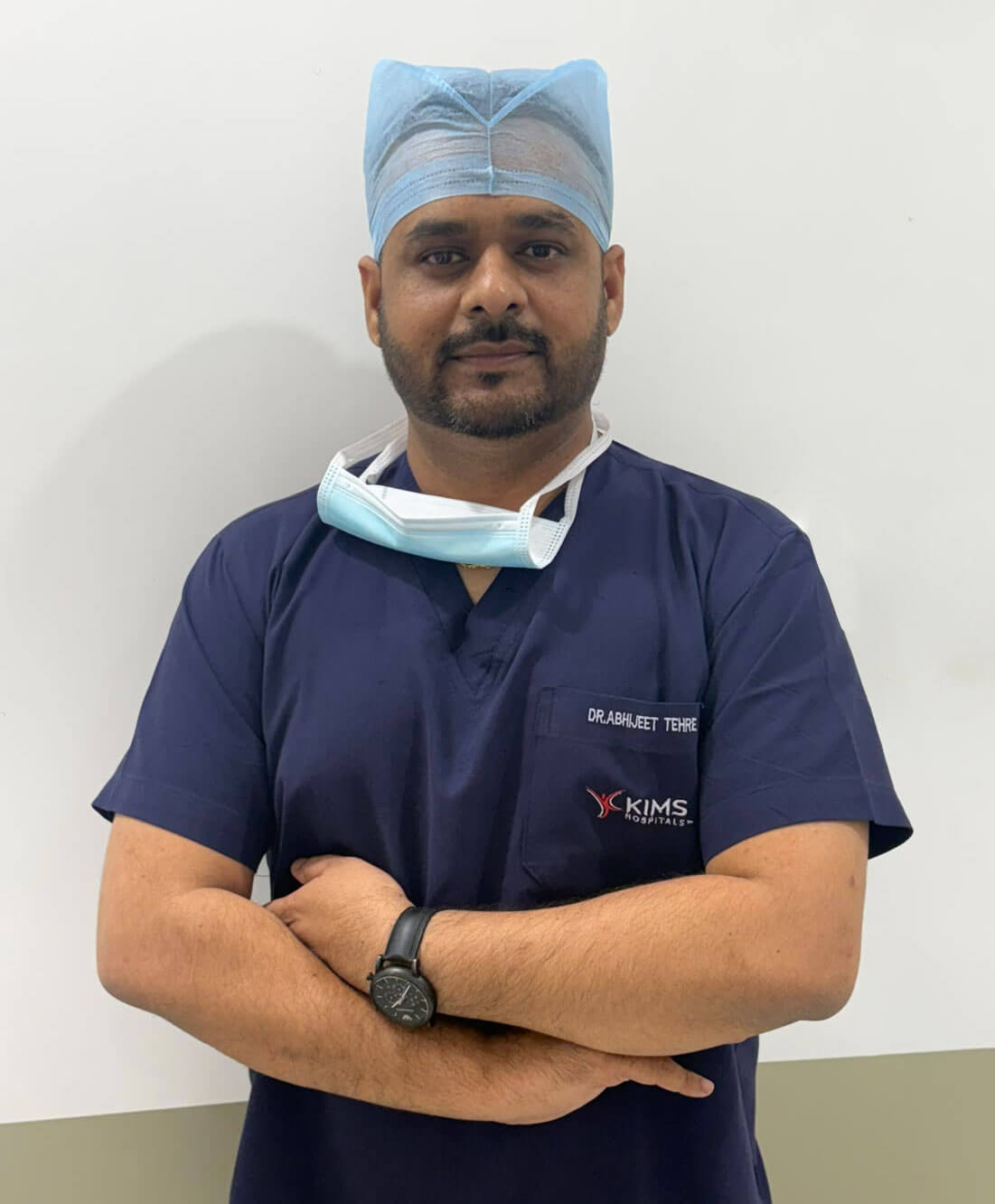
Dr. Abhijeet Tehre, Surgical Oncologist in Thane, provides personalised evaluation and treatment planning for patients diagnosed with head and neck cancer. Treatment recommendations are based on the cancer's location, stage, spread and the patient's overall health. Learn About Dr. Abhijeet Tehre
What Is Head and Neck Cancer?
Head and neck cancer refers to malignant growths that develop in different structures of the head and neck region. Common sites include the oral cavity, tongue, throat, larynx, nasal cavity, sinuses and salivary glands.
Some symptoms that may require medical evaluation include:
- A persistent mouth or neck lump
- A sore in the mouth that does not heal
- Difficulty or pain while swallowing
- Persistent throat discomfort
- Changes in voice or hoarseness
- Unexplained bleeding from the mouth or nose
- Persistent ear pain
- Difficulty moving the jaw or tongue
- An unexplained neck swelling
- Unintentional weight loss
These symptoms can have several causes and do not always indicate cancer. However, persistent or unexplained symptoms should be evaluated by an appropriate specialist.
Head and Neck Cancer Treatment in Thane
Treatment for head and neck cancer is selected according to the type and extent of the disease. A detailed evaluation may include physical examination, imaging studies, biopsy reports and other investigations.
Depending on the diagnosis, treatment may involve:
Surgery - Surgery may be recommended when the tumour can be removed safely. The procedure varies according to the cancer's location and may involve removal of the tumour and, when required, nearby affected tissues or lymph nodes. The surgical approach is planned with attention to cancer control while preserving important functions wherever possible.
Radiation Therapy - Radiation therapy uses carefully planned high-energy radiation to destroy cancer cells. It may be recommended after surgery, alongside other treatments, or as a primary treatment in selected patients.
Chemotherapy - Chemotherapy uses anti-cancer medicines to destroy or control cancer cells. Depending on the diagnosis, it may be used before or after surgery, together with radiation, or for advanced disease.
Targeted and Other Systemic Treatments - Certain head and neck cancers may benefit from targeted medicines or immunotherapy. Whether these treatments are appropriate depends on the tumour characteristics and the patient's clinical condition.
How Is Head and Neck Cancer Diagnosed?
Diagnosis begins with a detailed medical history and examination. Depending on the suspected location of the tumour, your doctor may recommend:
- Clinical examination of the mouth, throat and neck
- Endoscopic examination when required
- Biopsy of a suspicious area
- CT or MRI scans
- PET-CT in selected cases
- Evaluation of nearby lymph nodes
- Additional laboratory or pathology tests
Factors That Influence Treatment
There is no single treatment plan that is suitable for every head and neck cancer patient. Treatment decisions may depend on:
- Location of the primary tumour
- Cancer type and pathology
- Tumour size
- Stage of cancer
- Involvement of lymph nodes
- Spread to other parts of the body
- Previous cancer treatment
- General health and nutritional status
A multidisciplinary approach may be considered when different specialists are required to plan comprehensive cancer care.
Possible Side Effects of Treatment
Side effects vary according to the cancer, treatment method and area being treated. Patients may experience:
- Mouth soreness
- Difficulty swallowing
- Dry mouth
- Changes in taste
- Voice changes
- Fatigue
- Skin irritation following radiation
- Swelling or discomfort
- Nutritional difficulties
Your treating team can provide supportive care and recommendations to help manage treatment-related effects.
When Should You Consult a Head and Neck Cancer Surgeon?
Persistent symptoms involving the mouth, throat, neck, nose or voice should not be ignored. If you have an unexplained lump, non-healing mouth ulcer, persistent swallowing difficulty, prolonged hoarseness or another concerning symptom, medical evaluation can help identify the cause.
If you have already been diagnosed with head and neck cancer, consultation with a Head and Neck Cancer Surgeon in Patilpada, Thane can help you understand your diagnosis and available treatment options.
Why Choose you for Head and Neck Cancer Treatment in Thane?
Dr. Abhijeet Tehre offers personalised evaluation and treatment planning for patients with head and neck cancer. His approach focuses on accurate assessment, appropriate surgical oncology care, cancer control and preservation of important functions. Treatment is planned according to the cancer type, stage, overall health and individual needs, with guidance throughout the treatment journey.
📞 Call +91 89761 64322 for a consultation.
Conclusion
Timely evaluation and appropriate treatment are important for managing head and neck cancer. Dr. Abhijeet Tehre, a Surgical Oncologist in Thane, provides personalised treatment planning based on the cancer type, stage, location and overall health. If you are searching for a Head and Neck Cancer Surgeon in Thane, consult a specialist to understand suitable treatment options and supportive care. 📞 Call +91 89761 64322 for consultation.
Frequently Asked Questions
Q.1. What is head and neck cancer?
Ans - Head and neck cancer refers to cancers that develop in areas such as the mouth, tongue, throat, nose, sinuses, voice box and salivary glands.
Q.2. What are the common symptoms of head and neck cancer?
Ans - Symptoms may include a persistent mouth ulcer, neck lump, difficulty swallowing, prolonged hoarseness, throat discomfort, unexplained bleeding or changes in voice.
Q.3. How is head and neck cancer diagnosed?
Ans - Diagnosis may involve a physical examination, imaging such as CT or MRI, endoscopy and a biopsy. Additional tests may be recommended depending on the suspected cancer type.
Q.4. What treatments are available for head and neck cancer?
Ans - Treatment may include surgery, radiation therapy, chemotherapy, targeted therapy or immunotherapy. The appropriate approach depends on the cancer type and stage.
Q.5. When is surgery recommended for head and neck cancer?
Ans - Surgery may be recommended when the tumour can be removed safely. The procedure depends on the tumour's location, size and involvement of surrounding tissues.
Q.6. Can head and neck cancer be treated successfully?
Ans - Treatment outcomes vary according to the cancer type, stage, location and overall health. Early diagnosis and appropriate treatment can be important for improving outcomes.
Q.7. What side effects can occur after treatment?
Ans - Possible side effects include difficulty swallowing, dry mouth, taste changes, voice changes, fatigue, mouth soreness and skin changes. Supportive treatment can help manage these effects.
Q.8. How long does recovery take after head and neck cancer surgery?
Ans - Recovery varies depending on the type and extent of surgery and the patient's overall health. Some patients may require additional speech, swallowing or nutritional support.
Q.9. Why consult a Head and Neck Cancer Surgeon in Thane?
Ans- specialist can assess the diagnosis, review investigations and recommend an appropriate treatment plan based on the cancer's location, stage and individual patient requirements.
Q.10. How can I consult Dr. Abhijeet Tehre?
Ans - consultation regarding Head and Neck Cancer Treatment in Thane, you can contact Dr. Abhijeet Tehre at +91 89761 64322