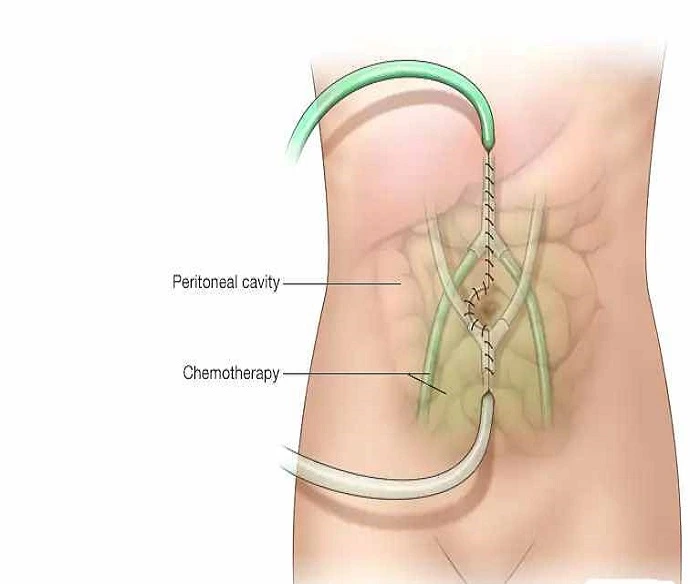
HIPEC (Hyperthermic Intraperitoneal Chemotherapy) is an advanced treatment approach used for selected cancers that have spread within the abdominal cavity. It combines cytoreductive surgery (CRS), in which visible cancer deposits are surgically removed, with the direct application of heated chemotherapy inside the abdomen.HIPEC Surgery Oncology in Thane
For patients with certain advanced abdominal and peritoneal cancers, HIPEC may offer a treatment option when conventional approaches alone may not be sufficient. Treatment suitability depends on the cancer type, extent of disease, overall health, and response to previous treatments. Learn About Dr. Abhijeet Tehre
What Is HIPEC Treatment?
HIPEC is a specialised cancer treatment performed in carefully selected patients. Unlike conventional chemotherapy, where medicines are generally delivered through the bloodstream, HIPEC delivers chemotherapy directly into the abdominal cavity after the visible tumour deposits have been removed.
The treatment generally involves two major stages:
- Cytoreductive Surgery (CRS): The surgeon carefully removes visible cancerous growths and affected tissues from the abdominal cavity.
- Heated Intraperitoneal Chemotherapy: Once the surgical removal is completed, heated chemotherapy medicine is circulated throughout the abdominal cavity to target microscopic cancer cells that may remain.
The combination of surgery and localised chemotherapy is intended to achieve better control of cancer within the peritoneal cavity.
HIPEC Surgery Oncology in Thane
Patients looking for HIPEC Surgery Oncology in Thane can consult an experienced surgical oncologist for a detailed evaluation of their condition. HIPEC is not appropriate for every abdominal cancer patient, so a thorough assessment is important before treatment is recommended.
The evaluation may include imaging investigations, pathology reports, previous treatment records, blood tests and an assessment of the extent of cancer spread. Depending on the findings, the oncology team can determine whether cytoreductive surgery with HIPEC may be appropriate.
Which Cancers May Be Treated With HIPEC?
HIPEC is primarily considered for selected cancers involving the peritoneum or abdominal cavity. Depending on the individual case, it may be used as part of treatment for:
- Appendix cancer, including selected appendiceal tumours
- Colorectal cancer with peritoneal spread
- Certain stomach cancers with peritoneal involvement
- Peritoneal surface malignancies
- Peritoneal mesothelioma
- Selected ovarian cancers
- Other carefully selected abdominal cancers
How Is HIPEC Surgery Performed?
Step 1: Surgical Removal of Visible Cancer
The surgeon accesses the abdominal cavity and carefully examines the areas affected by cancer. Visible tumour deposits and, when necessary, involved organs or tissues are removed as part of cytoreductive surgery. The objective is to achieve the maximum possible removal of visible disease while maintaining the patient's safety and organ function.
Step 2: Heated Chemotherapy
After the visible tumour deposits have been removed, chemotherapy is introduced directly into the abdominal cavity.
The chemotherapy solution is heated to a controlled temperature and circulated within the abdomen for a specified period. This allows the medicine to come into direct contact with the peritoneal surfaces where microscopic cancer cells may remain. After the treatment period, the chemotherapy solution is drained, the abdominal cavity is washed as appropriate, and the surgical incision is closed. The exact duration and chemotherapy medicine used depend on the patient's diagnosis, surgical findings and treatment plan.
Why Is HIPEC Used?
One of the key features of HIPEC is that chemotherapy is delivered directly to the area where cancer has spread.
Potential advantages of HIPEC, in appropriately selected patients, include:
- Direct exposure of chemotherapy to the abdominal cavity
- Treatment of microscopic cancer cells that may remain after surgery
- Ability to combine tumour removal with local chemotherapy
- High local concentration of chemotherapy within the peritoneal cavity
- Potential for improved disease control in selected peritoneal cancers
However, HIPEC is a major treatment and does not guarantee a cure. Its potential benefits and risks should be discussed individually with a surgical oncology team.
Why Choose You
Choosing the right surgical oncology team is important when considering HIPEC treatment. Patients receive personalised evaluation, careful treatment planning and comprehensive care based on their cancer type, stage and overall health. The approach focuses on safe surgery, appropriate chemotherapy and supportive recovery care.
📞 Call +91 89761 64322 to schedule a consultation.
Conclusion
HIPEC can be an important treatment option for carefully selected patients with cancers affecting the abdominal or peritoneal cavity. If you are looking for **HIPEC Surgery Oncology in Thane**, consult an experienced surgical oncologist for a personalised evaluation and treatment plan. Early specialist guidance can help you understand your options and make informed decisions about care.
📞 Call +91 89761 64322 to book a consultation.
Frequently Asked Questions
Q.1. What is HIPEC treatment?
Ans - HIPEC stands for Hyperthermic Intraperitoneal Chemotherapy. It involves delivering heated chemotherapy directly into the abdominal cavity, usually after visible cancer deposits have been surgically removed.
Q.2. Which cancers can be treated with HIPEC?
Ans - HIPEC may be considered for selected appendiceal, colorectal, gastric, ovarian, peritoneal and other abdominal cancers with peritoneal involvement.
Q.3. Who is eligible for HIPEC surgery?
Ans - Eligibility depends on the cancer type, extent of spread, overall health, previous treatments and whether the visible cancer can be adequately removed.
Q.4. How is HIPEC surgery performed?
Ans - The procedure generally begins with cytoreductive surgery to remove visible tumour deposits. Heated chemotherapy is then circulated inside the abdominal cavity before being drained.
Q.5. How long does HIPEC surgery take?
Ans - The duration varies according to the cancer type, tumour spread and complexity of the surgery. Your surgical oncologist can provide an individual estimate after evaluation.
Q.6. What are the benefits of HIPEC?
Ans - HIPEC allows chemotherapy to be delivered directly to the abdominal cavity at a high local concentration and may help target microscopic cancer cells remaining after surgery.
Q.7. What are the possible risks of HIPEC?
Ans - Potential complications include bleeding, infection, blood clots, bowel obstruction, wound problems, fistula, respiratory complications and other risks associated with major abdominal surgery.
Q.8. How long does recovery after HIPEC take?
Ans - Recovery varies from person to person. Since HIPEC is usually combined with extensive abdominal surgery, complete recovery may take several weeks to months.
Q.9. Is HIPEC suitable for every cancer patient?
Ans - No. HIPEC is a specialised treatment for carefully selected patients. A detailed assessment by a surgical oncologist is necessary before treatment is recommended.
Q.10. Where can I consult for HIPEC Surgery Oncology in Thane?
Ans - Patients seeking HIPEC Surgery Oncology in Thane can consult a surgical oncologist for evaluation, treatment planning and guidance based on their individual diagnosis.